What is Laminated Glass?
In multiple fields such as architecture, transportation, and security, glass is an indispensable basic material. With the increasing demand for safety, sound insulation, and energy conservation, the limitations of ordinary glass have gradually become apparent. Various types of special glass have emerged as the times require, and laminated glass is one of the most widely used and high-performance types. Relying on its unique structural design and diverse functional advantages, it has become a "protective guard" ensuring the safety of life and production. This article will comprehensively analyze laminated glass from the aspects of definition, structural composition, core characteristics, production process, application scenarios, classification, and differences from other types of glass.
I. Core Definition of Laminated Glass
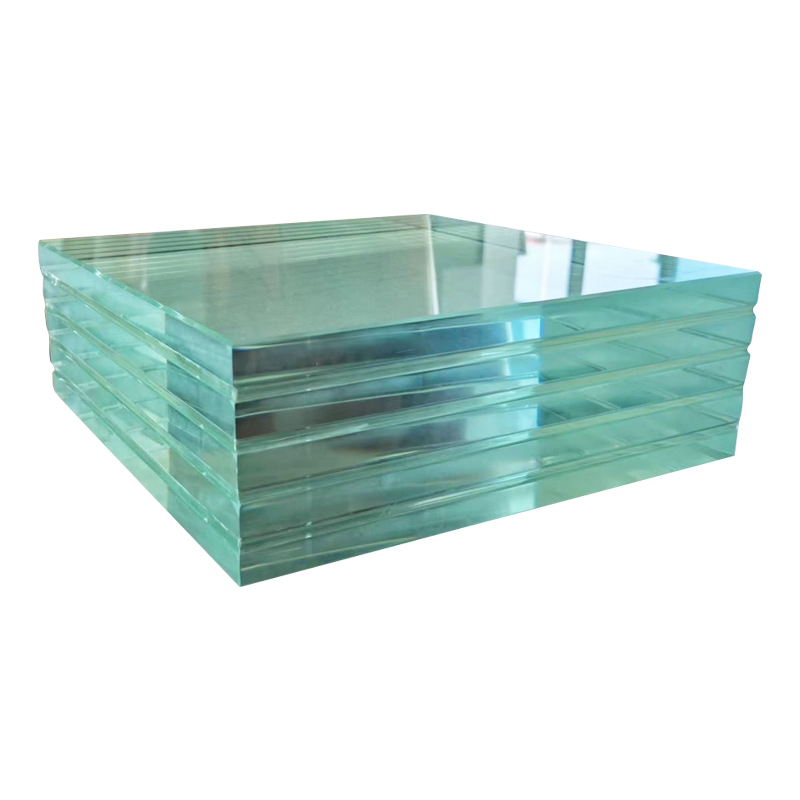
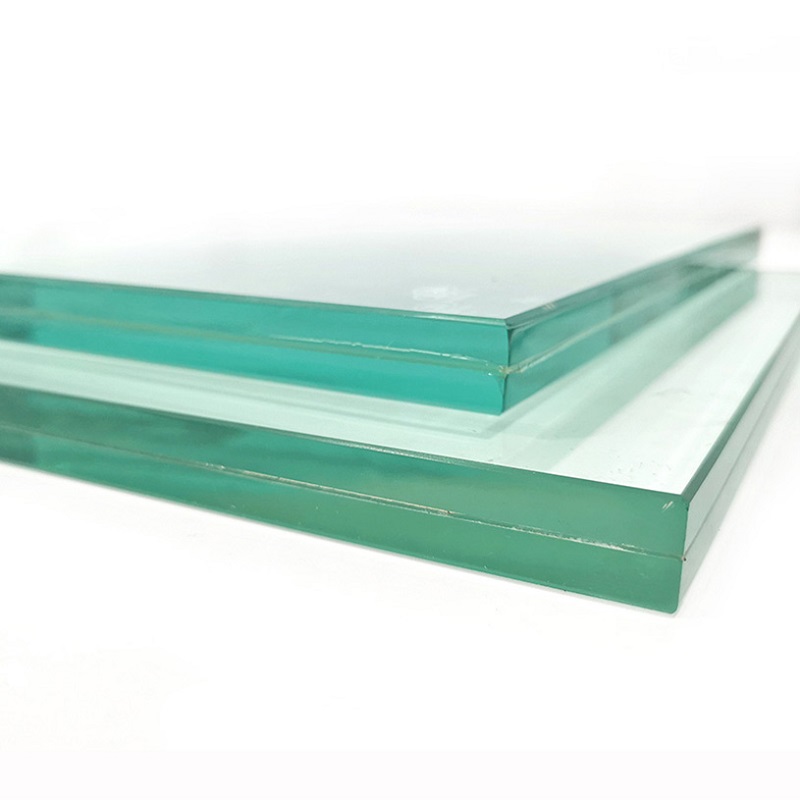
According to the definition in the national standard "Safety Glazing Materials for Building - Part 3: Laminated Glass" (GB 15763.3-2009), laminated glass is a composite glass product composed of two or more layers of glass sheets, with one or more layers of organic polymer interlayers in between, compounded through special processing technologies (such as hot pressing, vacuum, etc.). Its core feature is that even if the glass breaks due to external impact, the fragments will be firmly adsorbed by the interlayer and will not splash and scatter, thereby effectively avoiding or reducing personal injury while maintaining the integrity of the product.
Different from the "shattering and scattering" characteristic of ordinaryglass, the original design intention of laminated glass is to improve the safety performance of glass. On this basis, additional functions such as sound insulation, heat insulation, and bulletproofing can also be achieved by adjusting the interlayer material and the type of glass sheets.
II. Structural Composition of Laminated Glass
The structure of laminated glass seems simple, but each layer actually has a specific function. It is mainly composed of two parts: "glass sheets" and "interlayers", and some special types will also add auxiliary layers.
1. Glass Sheets: Bearing Basic Strength
Glass sheets are the skeleton of laminated glass, determining the basic strength and light transmittance of the product. Common types include:
Ordinary Float Glass: The most widely used, with high light transmittance and moderate cost, suitable for ordinary safety scenarios with low strength requirements;
Tempered Glass: Made by subjecting float glass to high-temperature quenching treatment, its strength is 3-5 times that of ordinary glass. When broken, it forms small obtuse-angled particles, which are safer. It is often used as the sheet of laminated glass to further improve the overall strength;
Ultra-Clear Glass: With extremely low iron content, the light transmittance can reach more than 91.5%, and the visual effect is more transparent. It is suitable for high-end buildings, display cabinets and other scenarios with high requirements for light transmittance;
Colored Glass/Coated Glass: Through the addition of colorants or coating treatment, it has functions such as sunshade, heat insulation, and privacy protection. It can be made into functional laminated glass in combination with interlayers.
The thickness of the glass sheets can be selected according to requirements, with common specifications such as 3mm, 4mm, 5mm, and 6mm. The combination of multiple layers of sheets can achieve different strength levels.
2. Interlayers: Core Functional Carrier
The interlayer is the "soul" of laminated glass. It not only plays the role of bonding glass sheets but also is the key to realizing functions such as safety, sound insulation, and heat insulation. At present, the mainstream interlayer materials include the following types:
Polyvinyl Butyral (PVB) Interlayer: The most commonly used interlayer material, with excellent adhesion, toughness, and impact resistance, strong weather resistance, and can maintain stable performance in a wide temperature range. It is the first choice for laminated glass in the construction and automotive fields;
Ethylene-Vinyl Acetate (EVA) Interlayer: High transparency, strong adhesion, low processing temperature, and certain UV resistance. It is often used in photovoltaic modules, decorative glass and other scenarios;
Polycarbonate (PC) Interlayer: Extremely high strength, impact resistance far exceeding PVB and EVA, and light weight. It is often used in high-end security scenarios such as bulletproof glass and anti-riot glass;
Sound Insulation Interlayer: Improved on the basis of PVB, it enhances the ability to block sound waves through special formulas, can effectively reduce noise transmission, and is suitable for scenarios with high sound insulation requirements such as street-facing buildings and high-speed rail windows;
Heat Insulation Interlayer: Added with heat insulation particles or adopting a multi-layer composite structure, it can block infrared rays and ultraviolet rays, reduce heat transfer, and lower the energy consumption of air conditioning equipment. It is suitable for building exterior windows, automotive front windshields, etc.- Polyvinyl Butyral (PVB) Interlayer: The most commonly used interlayer material, with excellent adhesion, toughness, and impact resistance, strong weather resistance, and can maintain stable performance in a wide temperature range. It is the first choice for laminated glass in the construction and automotive fields;
Ethylene-Vinyl Acetate (EVA) Interlayer: High transparency, strong adhesion, low processing temperature, and certain UV resistance. It is often used in photovoltaic modules, decorative glass and other scenarios;
Polycarbonate (PC) Interlayer: Extremely high strength, impact resistance far exceeding PVB and EVA, and light weight. It is often used in high-end security scenarios such as bulletproof glass and anti-riot glass;
Sound Insulation Interlayer: Improved on the basis of PVB, it enhances the ability to block sound waves through special formulas, can effectively reduce noise transmission, and is suitable for scenarios with high sound insulation requirements such as street-facing buildings and high-speed rail windows;
Heat Insulation Interlayer: Added with heat insulation particles or adopting a multi-layer composite structure, it can block infrared rays and ultraviolet rays, reduce heat transfer, and lower the energy consumption of air conditioning equipment. It is suitable for building exterior windows, automotive front windshields, etc.
The thickness of the interlayer is usually in specifications such as 0.38mm, 0.76mm, and 1.52mm. The thicker the interlayer, the better the impact resistance, sound insulation, and heat insulation effects of the laminated glass.
III. Core Characteristics of Laminated Glass
The characteristics of laminated glass originate from its unique composite structure, especially the synergistic effect between the interlayer and the glass sheets, making it have advantages incomparable to ordinary glass. The core characteristics can be summarized as follows:
1. Excellent Safety Protection
This is the core characteristic of laminated glass. When laminated glass is impacted, the glass sheets will first break, but the high toughness of the interlayer will firmly adsorb the broken glass fragments, avoiding splashing and scattering to cause personal injury or secondary damage. Even if the glass is completely damaged by severe impact, the laminated glass can maintain its complete structural form and will not fall off immediately, striving for time for personnel evacuation and subsequent processing. For example, the front windshield glass of automobiles adopts laminated glass. In the event of a collision, the driver and passengers will not be scratched by the splashingglass fragments, and the integrity of the glass can ensure the normal deployment of airbags.
2. Excellent Sound and Heat Insulation Performance
The sound insulation effect of ordinary glass is poor, while laminated glass can effectively block the transmission of sound waves through the damping effect of the interlayer. In particular, special sound-insulating laminated glass has a significant blocking effect on medium and low-frequency noise (such as traffic noise, industrial noise), which can reduce noise by 20-40 decibels and create a quiet indoor environment. In terms of heat insulation, laminated glass with heat-insulating interlayers can block more than 80% of infrared rays, reduce solar radiation heat entering the room, and lower the energy consumption of refrigeration equipment; at the same time, it can also block more than 99% of ultraviolet rays, protecting indoor furniture and clothing from fading due to ultraviolet radiation.
3. Good Weather Resistance and Stability
The interlayer of laminated glass has undergone special treatment, with excellent weather resistance, which can resist the impact of harsh environments such as high temperature, low temperature, humidity, and ultraviolet rays. It will not turn yellow, age, or degum after long-term use. Its performance is stable, and it can maintain good adhesion and structural integrity in the temperature range of -40℃ to 70℃, suitable for areas with different climatic conditions.
4. Flexible Decoration and Functionality
Laminated glass can be designed in a variety of ways according to needs to achieve the unity of decoration and function. For example, by selecting colored glass sheets or adding patterns, textures, LOGOs, etc. to the interlayer, laminated glass with decorative effects can be made, which is applied to building curtain walls, partitions, furniture and other scenarios; by combining differentglass sheets and interlayers, functional laminated glass such as bulletproof, anti-riot, fireproof, and UV-proof can also be made to meet the special needs of different fields.
IV. Production Process of Laminated Glass
The production process of laminated glass seems simple, but it has extremely high requirements for precision and environment. The core process mainly includes three links: "pretreatment", "laminating", and "pressure curing". The curing process corresponding to different interlayer materials is different.
1. Pretreatment: Foundation for Ensuring Product Quality
The pretreatment link is mainly aimed at glass sheets, with the purpose of removing impurities and moisture on the surface of glass to ensure that the interlayer can be closely bonded to the glass sheets. The specific steps include:
Cutting: Cut the glass sheets into the required shape and size according to the product size requirements;
Edge Grinding: Grind the edges of the cut glass to remove burrs and sharp edges and corners, avoiding scratching the interlayer during subsequent processing or injuring people during use;
Cleaning and Drying: Use special cleaning equipment to thoroughly clean the glass surface with deionized water and cleaning agents to remove impurities such as dust and oil stains, and then dry it with hot air to ensure no moisture remains on the glass surface.
2. Laminating: Precisely Combining Layers
Laminating is the process of combining glass sheets and interlayers according to design requirements. It needs to be carried out in a dust-free workshop with extremely high cleanliness to avoid impurities entering and affecting the bonding effect. The specific steps are: lay one layer of glass sheet flat on the workbench, then cover the cut interlayer on theglass surface, then align and cover another layer of glass sheet on the interlayer, and gently roll it with a special tool to expel the air between the interlayers and ensure that each layer is closely attached. For multi-layer laminated glass (such as three layers of glass + two layers of interlayers), the above steps need to be repeated.
3. Pressure Curing: Achieving Stable Structural Bonding
Pressure curing is a key link to make the interlayer and glass sheets undergo bonding reaction to form a stable composite structure. According to different interlayer materials, there are mainly two processes:
PVB Interlayer Laminated Glass: Adopt the "preheating and pre-pressing + autoclave curing" process. First, put the laminated glass into a preheating furnace for pre-pressing at a certain temperature and pressure to further expel the air between the interlayers and make the interlayer initially bond; then put the glass into an autoclave for curing at 120-140℃ and 1.0-1.5MPa to make the interlayer completely bond with theglass sheets, forming a stable laminated structure.
EVA Interlayer Laminated Glass: Adopt the "vacuum hot pressing curing" process. Put the laminated glass into a vacuum bag, evacuate the air, then put it into a hot press for heating and pressure curing at 100-120℃ and 0.5-1.0MPa to complete the bonding. This process does not require an autoclave, has higher production efficiency and relatively lower cost.
After curing, it is also necessary to perform subsequent treatments such as edge trimming and quality inspection on the laminated glass to ensure that the product meets the standard requirements.
V. Application Scenarios of Laminated Glass
With its excellent safety performance and diverse functions, laminated glass has extremely wide application scenarios, covering multiple fields such as architecture, transportation, security, and decoration.
1. Construction Field: Ensuring Safety and Comfort
The construction field is one of the main application scenarios of laminated glass. Especially in parts that need to ensure safety, it has become a mandatory type of safety glass. Specific applications include:
Building Exterior Windows: Exterior windows of street-facing buildings and high-rise buildings adopt laminated glass, which can effectively prevent glass fragments from splashing and injuring people after breaking, and at the same time has sound insulation and heat insulation functions to improve indoor comfort;
Glass Curtain Walls: Glass curtain walls of large commercial buildings and office buildings adopt laminated glass (often combined with tempered glass as "tempered laminated glass"), which not only ensures the beauty and light transmittance of the curtain wall but also improves the structural safety performance, avoiding high-altitude glass falling accidents;
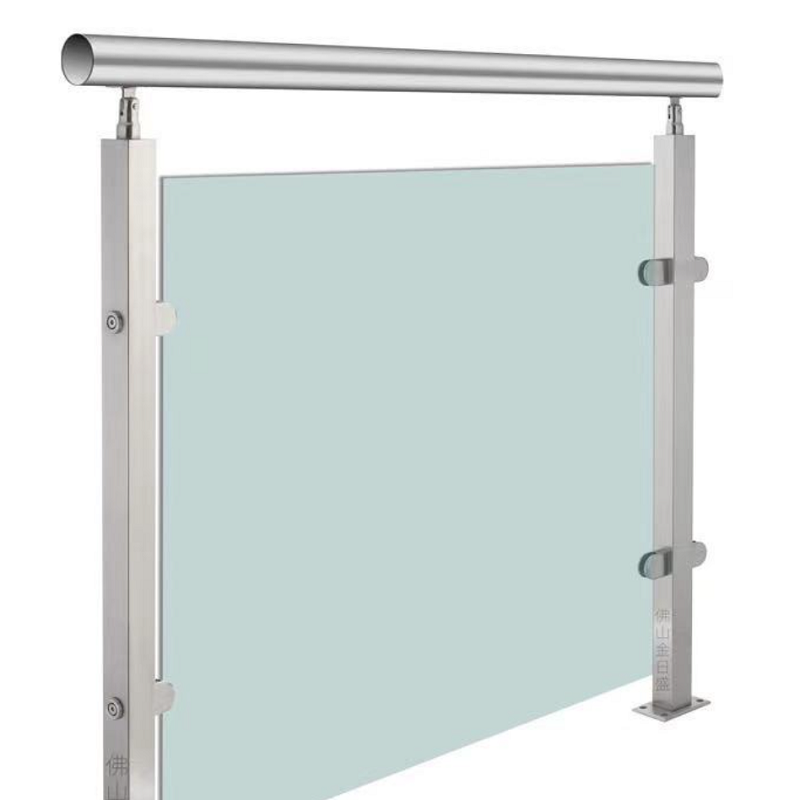
Stair Railings and Corridor Partitions: Using laminated glass to make railings and partitions is not only transparent and beautiful but also can prevent people from being injured by glass breaking due to collision;
Skylights and Daylighting Tops: Skylights and daylighting tops are exposed to the outdoors for a long time and are susceptible to the impact of natural factors such as wind, rain, and hail. The use of laminated glass can avoid glass falling after breaking, and at the same time has good heat insulation performance to reduce indoor heat accumulation.
2. Transportation Field: Guarding Travel Safety
The transportation field has extremely high requirements for the safety performance of glass. Laminated glass has become the core glass material for various means of transportation. The main applications include:
Automotive Glass: The front windshield glass of automobiles must adopt laminated glass, and the side windows and rear windshield glass also often adopt laminated glass or tempered laminated glass. In the event of a collision accident, the front windshield glass can maintain its integrity, avoid fragment splashing, and at the same time provide a clear field of vision for the driver to ensure the normal operation of airbags;
Rail Transit Glass: The window glass of rail transit vehicles such as high-speed rail, subways, and light rails adopts high-strength laminated glass, which can resist air pressure and external impact during high-speed operation, and at the same time has sound insulation function to improve passenger riding experience;
Marine Glass: The portholes and cab glass of ships adopt laminated glass, which can resist sea wave impact and salt spray corrosion, ensuring the safety of ship navigation.
3. Security Field: Improving Protection Level
In security scenarios that require high-strength protection, laminated glass (especially laminated glass with PC interlayers or multi-layer composite structures) plays an important role. Specific applications include:
Bulletproof Glass: Bulletproof glass in banks, jewelry stores, museums and other places adopts a composite structure of "multi-layer tempered glass + thick PC interlayer", which can resist the impact of bullets of different calibers and ensure the safety of internal personnel and property;
Anti-Riot Glass: Anti-riot glass in government agencies, prisons, important infrastructure and other places adopts high-strength laminated glass, which can resist violent impacts such as stones and sticks and prevent illegal intrusion;
Fire-Resistant Glass: Laminated glass with fire-resistant interlayers can maintain integrity in the event of a fire, block the spread of flames and smoke, and strive for time for personnel evacuation.
4. Decoration and Other Fields: Balancing Aesthetics and Function
Laminated glass can also be applied to decoration and other special fields through personalized design:
Decorative Glass: By adding patterns, textures, colored films, etc. to the interlayer, laminated glass with decorative effects can be made, which is applied to furniture, background walls, display cabinets, etc.;
Photovoltaic Modules: Laminated glass with EVA interlayers is used as the packaging material for photovoltaic cells, which can protect photovoltaic cells and at the same time ensure good light transmittance, improving the power generation efficiency of photovoltaic modules;
Aquarium Glass: The observation windows of large aquariums adopt high-strength laminated glass, which can resist water pressure impact and at the same time have good light transmittance, providing a clear observation effect for visitors.
VI. Common Classifications of Laminated Glass
According to different classification standards, laminated glass can be divided into many types. Common classification methods are as follows:
1. Classification by Interlayer Material
PVB Laminated Glass: The most widely used, suitable for most scenarios such as construction and automobiles;
EVA Laminated Glass: Suitable for photovoltaic modules, decorative glass, etc.;
PC Laminated Glass: Suitable for high-end security scenarios such as bulletproof and anti-riot;
Sound/Heat Insulation Laminated Glass: Suitable for scenarios with special requirements for sound insulation and heat insulation.
2. Classification by Glass Sheet Type
Ordinary Laminated Glass: Using ordinary float glass sheets;
Tempered Laminated Glass: Using tempered glass sheets, with higher strength and better safety;
Ultra-Clear Laminated Glass: Using ultra-clear glass sheets, with higher light transmittance;
Colored/Coated Laminated Glass: Using colored or coated glass sheets, with sunshade, privacy protection and other functions.
3. Classification by Number of Layers
Double-Layer Laminated Glass: Composed of two layers of glass sheets + one layer of interlayer, the most widely used;
Multi-Layer Laminated Glass: Composed of three or more layers of glass sheets + multiple layers of interlayers, mainly used in high-strength protection scenarios such as bulletproof and anti-riot.
VII. Differences Between Laminated Glass and Other Safety Glasses
In the field of safety glass, in addition to laminated glass, there are also common types such as tempered glass and insulated glass, which are easily confused by many people. The following focuses on explaining the differences between laminated glass and these two types of glass.
1. Laminated Glass vs. Tempered Glass
Both are commonly used safety glass, but their core characteristics and applicable scenarios are different:
Different Structures: Tempered glass is made by heat treatment of a single glass sheet without an interlayer; laminated glass is composed of multiple layers ofglass sheets compounded with interlayers.
Different States After Breaking: When tempered glass breaks, it forms small obtuse-angled particles without sharp edges and corners, but the fragments will scatter; when laminated glass breaks, the fragments are adsorbed by the interlayer, will not scatter, and maintain the integrity of the overall structure.
Different Functions: Tempered glass mainly improves strength and safety after breaking, with relatively single functions; in addition to safety performance, laminated glass can also achieve multiple functions such as sound insulation, heat insulation, and bulletproofing.
Different Applicable Scenarios: Tempered glass is suitable for scenarios with high strength requirements such as doors, windows, and railings; laminated glass is suitable for scenarios that need to avoid fragment splashing (such as automotive front windshield glass, exterior windows of high-rise buildings).
2. Laminated Glass vs. Insulated Glass
Both belong to composite glass, but their structures and functions are quite different:
Different Structures: Insulated glass is composed of two or more layers of glass sheets, separated by spacers, forming a sealed hollow cavity in the middle (filled with dry air or inert gas); laminated glass is composed of multiple layers of glass sheets bonded with interlayers, without a hollow cavity.
Different Core Functions: The core function of insulated glass is heat insulation and sound insulation, blocking heat and sound wave transmission through the hollow cavity; the core function of laminated glass is safety protection, and it can also have sound insulation and heat insulation functions.
Different Safety Performance: When the glass sheets of insulated glass break, the fragments will scatter, and the safety performance is poor; when laminated glass breaks, the fragments do not scatter, and the safety performance is excellent.
Different Applicable Scenarios: Insulated glass is suitable for building exterior windows, curtain walls, etc. with high requirements for heat insulation and sound insulation; laminated glass is suitable for scenarios that need safety protection, and can also be combined with insulated glass to form "insulated laminated glass", which has safety, heat insulation, and sound insulation functions at the same time.
VIII. Conclusion
As a composite glass product with multiple functions such as safety, sound insulation, heat insulation, and decoration, laminated glass, with its unique structural design and excellent performance, plays an irreplaceable role in many fields of modern society. From ensuring the safety of buildings and transportation, to improving the comfort of indoor and outdoor environments, and then to meeting special security needs, laminated glass is providing more reliable protection for people's lives and production.
With the continuous progress of science and technology, the production process of laminated glass will be continuously optimized, the interlayer materials and glass sheet types will be continuously innovated, its functions will be more diversified, and the application scenarios will be further expanded. In the future, laminated glass will play a greater role in green buildings, intelligent transportation, high-end security and other fields, contributing more to building a safe, comfortable and energy-saving social environment.